
How to Choose a Notebook You’ll Actually Use
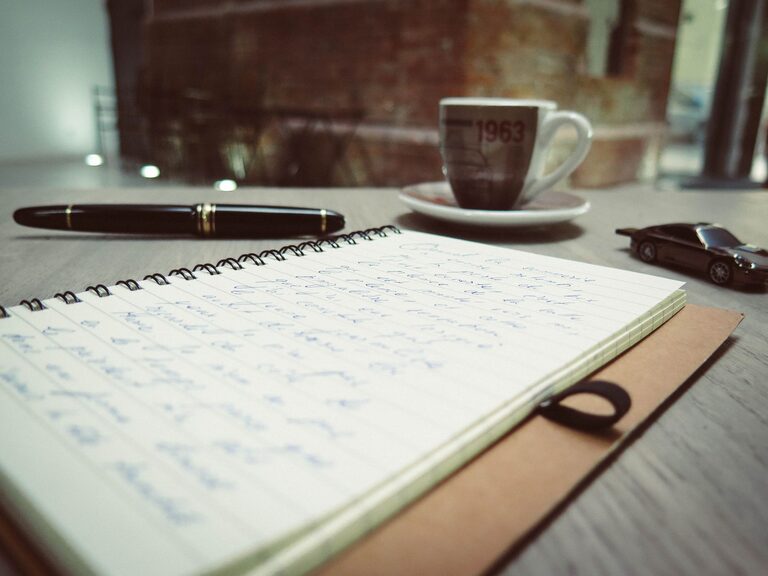
A notebook can be a simple place to write, plan, sketch, or collect ideas. Yet many notebooks end up sitting on a shelf because they look appealing but do not fit the way their owner works.
The best notebook is not necessarily the most expensive, stylish, or highly rated one. It is the notebook you will enjoy opening and find easy to use. Choosing well means matching the notebook to your habits, daily routines, and preferred writing style.
Start with the notebook’s purpose
Before comparing covers, paper, or page layouts, decide what you want the notebook to do. A notebook for quick work notes has different requirements from one used for drawing or long-form journaling.
Consider the main purpose:
– Daily planning: Look for space for dates, tasks, appointments, and notes.
– Work or school notes: Choose a practical size with enough room for headings and details.
– Journaling: Consider comfortable paper, a pleasant cover, and enough pages for regular entries.
– Creative writing: Choose a format that gives you room to write freely without feeling cramped.
– Sketching: Look for thicker paper and a surface that suits pencils, pens, or other tools.
– Lists and ideas: A compact notebook with simple lined or dot grid pages may be ideal.
– Travel notes: Choose something light, durable, and easy to carry.
If you have several uses in mind, decide whether one notebook can handle them all. In some cases, a single flexible notebook is more practical. In others, separate notebooks help keep different types of information organized.
Choose a size that fits your routine
Notebook size affects whether you carry and use it. A large notebook may offer plenty of writing space, but it can be inconvenient to take outside the house. A small notebook is portable, but its pages may feel limiting for detailed notes.
Think about where you will use it most often:
– Pocket size: Useful for quick reminders, shopping lists, and ideas on the go.
– Small handheld size: Easy to carry while providing more room than a pocket notebook.
– Medium size: A versatile choice for work notes, journaling, and planning.
– Large size: Helpful for detailed writing, diagrams, study notes, and creative projects.
You should also consider your writing style. If you use large handwriting, draw diagrams, or prefer generous margins, a larger format may feel more comfortable. If you write small or mostly record short notes, a compact notebook could be enough.
The ideal size is one you can store easily and reach without hesitation. A notebook that stays at home will not help much if you want to capture ideas while you are away.
Pick the right page layout
The page ruling can make a major difference in how natural a notebook feels. Choose a layout that supports your usual tasks rather than one that simply looks interesting.
Lined pages
Lined pages are a dependable option for writing, lists, meeting notes, and journaling. They provide structure without requiring a particular method. Check the spacing between lines if you have large handwriting or often write between lines.
Dot grid pages
Dot grids offer light guidance for writing, diagrams, calendars, tables, and sketches. They are flexible and less visually distracting than strong lines. They work well for people who like to create their own layouts.
Blank pages
Blank paper provides the most freedom for drawing, mind maps, free writing, and visual planning. However, some people find it difficult to keep writing straight or organize information without guides.
Graph pages
Graph paper is useful for charts, technical drawings, measurements, and neatly arranged notes. It may feel too structured for casual writing, so consider whether the grid will support or restrict your style.
Guided pages
Some notebooks include prompts, schedules, habit trackers, or planning sections. These can be helpful if you enjoy a clear system. They may be frustrating if you prefer to change your format from day to day.
When possible, look at a sample page before buying. The layout should feel helpful rather than demanding.
Pay attention to paper quality
Paper affects the writing experience more than many people expect. Smooth paper usually feels comfortable with fine pens and pencils, while textured paper may provide more grip.
Think about the tools you use most often:
– Pencil users may prefer paper with a little texture.
– Ballpoint pens work well on many everyday papers.
– Gel pens often feel best on smooth paper.
– Fountain pens and wet inks usually need thicker paper to reduce bleed-through.
– Markers and colored pens may require paper designed for heavier ink.
Paper thickness is often described by weight, but the number alone does not tell the whole story. Two notebooks with similar specifications can perform differently depending on the paper finish and manufacturing quality.
If you are unsure, test a few pages with your favorite pen. Write on both sides and check for smearing, feathering, or ink showing through. A notebook that works with your everyday tools is more likely to become part of your routine.
Consider binding and page access
A notebook’s binding can influence how comfortably it opens and how long it lasts.
– Perfect binding: Pages are glued along the spine. These notebooks can look polished but may not lie flat.
– Sewn binding: Pages are stitched together and often open more reliably. They can be durable and attractive.
– Spiral binding: The notebook usually lies flat and can be easy to use at a desk. The spiral may be less comfortable in a bag.
– Disc or refillable binding: Pages can be moved or replaced, making the system flexible. It may require extra supplies and maintenance.
– Stapled binding: Often found in thin notebooks. It is lightweight and convenient for short projects.
A notebook that will not stay open can become irritating during meetings, studying, or longer writing sessions. If you often write with one hand or use the notebook while standing, easy page access is especially important.
Check portability and durability
A notebook that travels with you needs to withstand daily handling. Look for a cover that protects the pages without adding unnecessary weight.
Useful features may include:
– Rounded corners that resist bending
– An elastic closure
– A ribbon page marker
– A back pocket for loose papers
– A protective cover
– Perforated pages for easy removal
– Water-resistant materials for travel or outdoor use
Avoid choosing features simply because they are included. Every extra detail can add weight, bulk, or cost. Focus on what supports your actual routine.
Think about how many pages you need
More pages can seem like better value, but a thick notebook may be harder to carry and slower to finish. A thinner notebook can feel more manageable and provide a natural endpoint for a project.
Choose a page count based on your use:
– A thin notebook works well for short projects, travel, or temporary lists.
– A medium notebook suits regular notes and general use.
– A thick notebook is useful for long-term journaling, reference notes, or a single ongoing project.
Some people enjoy finishing notebooks because it creates a sense of progress. Others prefer keeping one notebook for an entire year or subject. Choose the format that encourages you to keep writing.
Set a realistic budget
A higher price does not automatically guarantee a better notebook. You are paying for a combination of paper, construction, design, brand, and special features.
Set a budget, then compare notebooks based on the qualities that matter most to you. If paper performance is your priority, you may want to spend more on paper and accept a simpler cover. If durability matters most, a sturdy cover and strong binding may be worth the extra cost.
It can also help to buy one notebook before buying several. Use it for a few weeks and note what you like or dislike. This simple test can prevent a drawer full of notebooks that do not suit you.
Choose a notebook you want to open
Practical features matter, but personal appeal matters too. A cover color, texture, or design that you genuinely like can make the notebook feel inviting. That small feeling may be enough to turn writing into a regular habit.
At the same time, do not let appearance hide inconvenient details. A beautiful notebook with poor paper, an awkward size, or an uncomfortable binding may quickly lose its appeal.
The right notebook balances function and enjoyment. It should fit your hand, your bag, your tools, and your routine. Most importantly, it should make starting easy. When a notebook feels natural to use, you are far more likely to reach for it, fill its pages, and choose another one when it is finished.