
How to Keep Your Fridge and Pantry Tidy
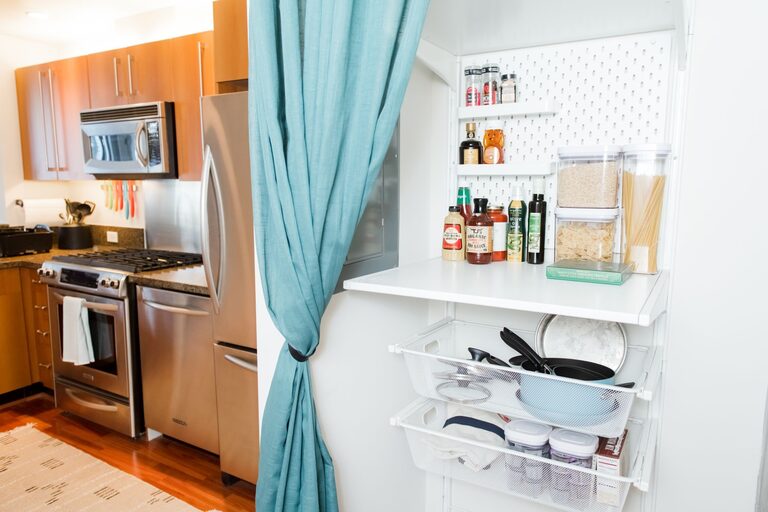
A tidy fridge and pantry can make everyday cooking easier, reduce food waste, and help you see what you already have. The key is not to create a perfect display that takes hours to maintain. Instead, focus on simple systems that fit your routine.
With regular quick checks and a few practical storage habits, you can keep these busy spaces clean, organized, and easy to use.
Start With a Full Reset
Before organizing, remove everything from the fridge and pantry. Working one shelf or section at a time is also an option if you are short on time.
As you take items out, sort them into four groups:
– Keep
– Use soon
– Move to a better location
– Discard or recycle
Check dates, packaging, and the condition of each item. Dispose of anything that is clearly spoiled, leaking, damaged, or no longer suitable for use. If a product is still good but unlikely to be used, place it where you will notice it soon.
Wipe empty shelves, drawers, and corners before putting items back. A clean surface is easier to maintain and gives you a fresh starting point.
Create Simple Zones
Organizing by category makes items easier to find and return. Your zones do not need to be complicated. Use the layout that makes sense for the way your household cooks.
Fridge Zones
Consider creating spaces for:
– Ready-to-eat foods
– Dairy products
– Fruits and vegetables
– Drinks
– Sauces and condiments
– Ingredients to use soon
Keep similar items together whenever possible. For example, place jars and bottles in one area rather than spreading them across several shelves. Store frequently used foods where they are easy to reach.
Use the fridge door for items that are convenient to grab, such as drinks, sauces, and spreads. Avoid overcrowding the door, since heavy bottles can make it difficult to find smaller items.
Pantry Zones
A pantry may include separate areas for:
– Baking supplies
– Pasta, rice, and grains
– Canned foods
– Breakfast items
– Snacks
– Spices and seasonings
– Cooking oils and vinegars
Group items by type and use. If you often prepare quick meals, keep commonly used ingredients together on an easy-to-reach shelf.
Use Containers Carefully
Containers can improve a pantry or fridge, but too many can create extra work. Choose a few useful styles instead of transferring every item into a new container.
Clear bins are helpful for grouping small packages, snacks, packets, or baking ingredients. A shallow tray can keep jars together and make it easier to remove several items at once.
For pantry staples, airtight containers may help protect contents from moisture and keep shelves looking neat. Choose containers that are easy to open, clean, and label. Make sure the size matches the amount you usually store.
Avoid filling containers without keeping the original labels or recording important information. If you transfer food, add a clear label with the name and date opened.
Make Items Easy to See
A tidy space is easier to maintain when you can see what is inside. Arrange taller items behind shorter ones and avoid stacking packages so high that the lower items disappear.
In the pantry, risers or small shelves can make cans and jars more visible. In the fridge, clear bins can keep small items from getting lost behind larger containers.
Leave a little space between groups of items. This makes it easier to remove one product without disturbing everything nearby.
Use the First In, First Out Method
When you bring home new groceries, place older items toward the front and newer items behind them. This simple habit helps you use food in the right order.
The same approach works in both the fridge and pantry:
- Check the shelf before unloading groceries.
- Move older products forward.
- Place new items behind them.
- Keep foods that should be used soon in a visible spot.
You do not need to rearrange the entire kitchen every time you shop. A quick adjustment while putting groceries away is usually enough.
Keep a Use Soon Area
Designate one small section of the fridge for foods that need attention. This could include opened packages, leftovers, produce that is ripening, or ingredients planned for an upcoming meal.
A labeled container or tray can make this area easy to recognize. Check it before making a grocery list or planning dinner.
You can use a similar idea in the pantry. Place opened packages or products nearing their best quality on one shelf or in one basket. This helps prevent forgotten items from being pushed to the back.
Store Food in Practical Portions
Large packages and half-used bags can quickly make storage areas look untidy. When practical, divide bulk items into smaller portions. This can make them easier to stack and use.
For leftovers, choose containers that match the amount of food. A container that is too large takes up unnecessary space, while one that is too small may be difficult to close properly.
Use matching or stackable containers when possible. They make better use of shelf space and reduce the visual clutter caused by mismatched shapes.
Label and Date What Matters
Labels are especially useful when several items look alike. Mark containers with the name of the food and, when helpful, the date it was stored or opened.
You do not need to label every item. Focus on:
– Homemade sauces
– Leftovers
– Opened packages
– Pantry staples moved into containers
– Foods with similar appearances
Use removable labels or a washable marker so containers can be reused easily.
Clean in Small Steps
A full cleaning session is useful from time to time, but small tasks keep messes from building up.
Try these quick habits:
– Wipe spills as soon as you notice them.
– Remove empty packages immediately.
– Clean sticky jars before returning them to the shelf.
– Check vegetable and fruit drawers once a week.
– Sweep or vacuum pantry crumbs.
– Wipe handles and frequently touched areas.
For the fridge, place a towel or tray beneath items that may leak. This can contain messes and make cleanup faster.
Plan a Weekly Check
Choose one regular day for a five- or ten-minute review. Look for items that need to be used, spaces that have become crowded, and products that need to be moved forward.
During this check, you can:
– Review the use soon area
– Wipe one shelf or drawer
– Group misplaced items
– Add needed groceries to your list
– Remove empty containers
– Check pantry staples before shopping
A short weekly routine is easier to maintain than waiting for a major cleaning day.
Avoid Overbuying
An organized fridge and pantry can still become crowded if you buy more than you can use. Before shopping, take a quick look at the shelves and make a list based on what is already available.
Try planning a few meals around ingredients that need to be used first. This keeps older products moving and may help reduce unnecessary purchases.
Leave some open space in both areas. Empty space makes it easier to clean, see what you have, and put groceries away without creating piles.
Make the System Work for You
The best organization system is one that your household can follow without much effort. If an item is used daily, keep it within easy reach. If children or other family members use certain foods, store them where they can find and return them easily.
Do not worry about making every shelf look identical. Focus on visibility, easy access, and simple routines. Once each item has a practical place, tidying becomes a quick habit instead of a major project.
A few minutes of regular care can keep your fridge and pantry clean, useful, and ready for the next meal.