
Simple Ideas for Making Dinner Cleanup Easier
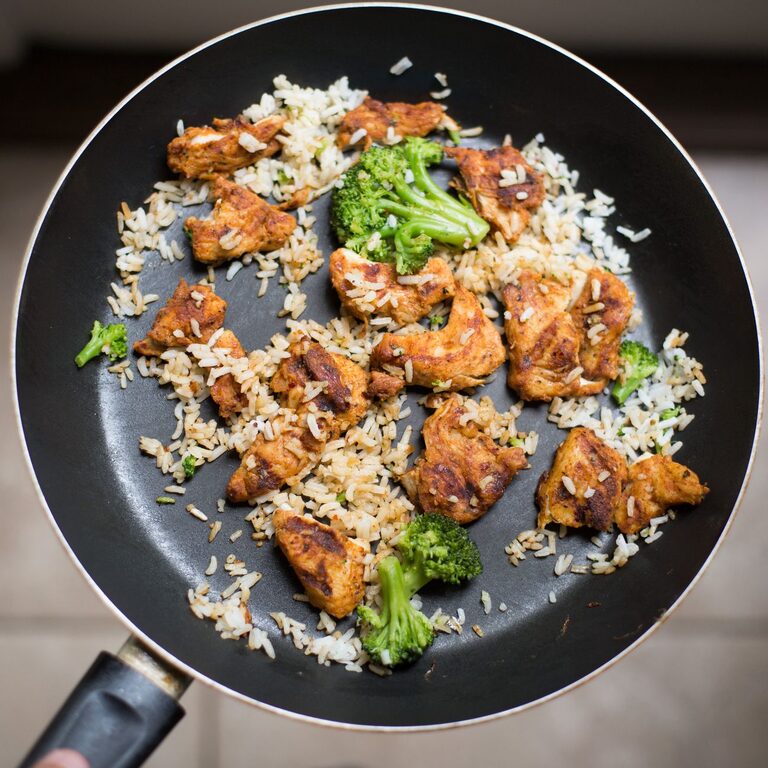
After a long day, the last thing most people want to do is face a sink full of dishes and a messy kitchen. The good news is that dinner cleanup does not have to be a long, tiring task. A few small habits can reduce the mess before it starts and make the final cleanup much faster.
The key is to work in short steps instead of waiting until every dish, pan, and utensil has piled up. With a little planning, you can spend less time cleaning and more time relaxing after dinner.
Start With a Simple Cleanup Plan
Before you begin cooking, take a moment to think about the steps involved. Consider which tools, bowls, pans, and serving dishes you will need. This can help you avoid using extra items that will later need washing.
Try these simple habits:
– Read the recipe before starting.
– Set out only the tools you need.
– Keep a small bowl nearby for food scraps.
– Place dirty utensils in one area instead of spreading them around the counter.
– Look for chances to use the same bowl or measuring cup more than once.
A few seconds of planning can prevent a large pile of dishes later. It also makes cooking feel more organized.
Clean as You Cook
Cleaning as you cook is one of the most effective ways to make dinner cleanup easier. You do not need to wash everything immediately. Instead, use short waiting periods to take care of small tasks.
For example, while water is heating, you can rinse a cutting board. While food is simmering, you can wash measuring spoons or wipe the counter. While a dish is baking, you can load the dishwasher or wash a pan that is no longer needed.
Focus on tasks that take less than a minute:
– Put ingredients away after using them.
– Rinse tools before food dries on them.
– Wipe spills as soon as they happen.
– Return spices and cooking oils to their usual places.
– Clear empty packages from the counter.
Small actions add up. By the time dinner is ready, much of the kitchen may already be clean.
Use Fewer Dishes and Tools
Many recipes can be prepared with fewer dishes than you might expect. Before reaching for another bowl or pan, ask whether an item already in use can do the job.
A large mixing bowl might be used for several ingredients in sequence. A measuring cup can often be rinsed and reused. You may also be able to prepare vegetables on one cutting board before moving on to other ingredients.
One-pan and one-pot meals are especially useful on busy evenings. Sheet-pan dinners, skillet meals, soups, and simple casseroles can reduce both preparation time and dishwashing.
When choosing a recipe, look for options that include:
– One baking sheet
– One pot
– One skillet
– A single mixing bowl
– Ingredients that can be prepared directly in the cooking dish
Fewer dishes mean less washing, drying, and putting away.
Choose Easy-to-Clean Cookware
Some cookware is much easier to clean than others. Smooth surfaces and simple shapes usually require less scrubbing. When possible, choose pans with fewer grooves, narrow corners, or separate parts.
Nonstick cookware can make cleanup easier when used according to the manufacturer’s instructions. Baking sheets can also be lined with parchment paper or a reusable baking mat to help prevent stuck-on food.
For especially messy meals, consider these options:
– Use a lid or splatter screen when cooking on the stovetop.
– Line baking dishes when suitable for the recipe.
– Use a deep pan to reduce spills.
– Keep a trivet nearby for hot cookware.
– Avoid overfilling pans, which can cause food to bubble over.
These small choices help control mess before it spreads across the kitchen.
Soak Items Before Food Dries
Dried food is often much harder to remove than fresh food. As soon as you finish using a pot, pan, or dish, fill it with warm water if it cannot be washed right away.
For stuck-on food, add a small amount of dish soap and let the item sit while you eat. The water will soften the residue and make scrubbing easier later.
You can also use a soft spatula or wooden utensil to loosen food while the pan is still warm. Avoid using tools that could scratch the surface of your cookware.
Remember to check care instructions before soaking items for a long time. Some materials, such as certain types of wood or cast iron, need special handling.
Set Up the Dishwasher Efficiently
A dishwasher can save time, but only when it is loaded in a way that allows water to reach the dishes. Scrape food into the trash or compost, then place items in their proper sections.
Helpful dishwasher habits include:
– Place plates facing the center.
– Keep large items from blocking the spray arms.
– Put cups and bowls at an angle so water can drain.
– Place utensils with handles pointing in different directions when appropriate.
– Check that the detergent dispenser is not blocked.
– Run the dishwasher when it is full but not overloaded.
Do not assume every item belongs in the dishwasher. Wooden tools, delicate pieces, and some cookware may need to be washed by hand. Keeping a small dish rack nearby makes handwashing less inconvenient.
Make Cleanup a Shared Task
Dinner cleanup does not have to be one person’s responsibility. If several people are available, divide the work into simple jobs.
One person can clear the table while another loads the dishwasher. Someone else can wipe the counters, sweep the floor, or put leftovers away. Even young children can help with age-appropriate tasks, such as carrying napkins to the laundry area or placing unbreakable dishes near the sink.
A clear routine makes shared cleanup easier:
- Clear plates and serving dishes.
- Store leftovers.
- Load or wash dishes.
- Wipe counters and the table.
- Sweep the floor if needed.
When everyone knows what to do, cleanup takes less time and feels less overwhelming.
Store Leftovers Right Away
Leftovers can create extra dishes and clutter when they are left on the counter or in several serving bowls. After dinner, transfer food into storage containers as soon as it is practical.
Use containers that stack well and have matching lids. Labeling containers can help you remember what is inside and when it was prepared. Store smaller amounts in shallow containers when appropriate so they cool and fit neatly in the refrigerator.
If a serving dish is still needed for storage, consider whether it can go directly into the refrigerator with a cover. This reduces the number of containers to wash.
Keep the Final Cleanup Short
Aim for a quick finishing routine instead of a deep clean every night. Once dishes are handled, take two or three minutes to reset the kitchen.
Wipe the main work areas, return frequently used items, and sweep up visible crumbs. You do not need to reorganize every cabinet or clean every appliance after dinner.
A short reset can include:
– Wiping the stove and counters
– Cleaning the sink
– Putting away dry dishes
– Replacing the dish towel
– Sweeping high-traffic areas
A clean starting point makes the next meal easier and keeps small messes from becoming larger ones.
Build Habits That Work for Your Home
The best cleanup routine is one you can repeat without much effort. Start with one or two changes, such as cleaning while food cooks or using fewer dishes. Once those habits feel natural, add another.
Every kitchen and household is different, so adjust the routine to fit your space, schedule, and cooking style. The goal is not a perfectly spotless kitchen every night. It is to make dinner cleanup manageable, predictable, and less tiring.